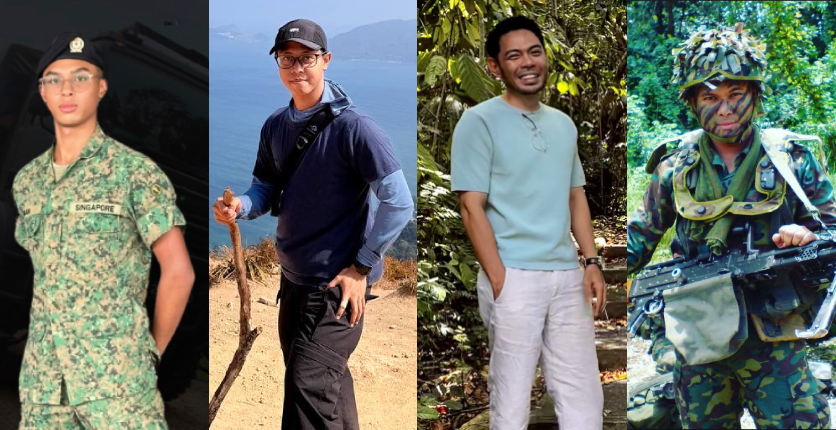
For Muslim servicemen, the holy month of Ramadan is a sacred time marked by reflection, gratitude and spiritual growth. But for those serving in the Singapore Armed Forces (SAF), the month can also unfold against a backdrop of physically demanding routines, field training and long hours of duty under the tropical sun. Yet many NSmen embrace the experience as a meaningful opportunity to honour both their faith and their commitment to National Service.
From waking before dawn for sahur to carrying out training while fasting, Muslim NSmen often find that the challenges of the month deepen their sense of discipline and resilience. The act of fasting while fulfilling their duties becomes more than a test of physical endurance — it becomes a reminder of purpose, self-control and inner strength. For many, the experience also fosters a stronger sense of empathy and camaraderie within their units.
In this feature, NSmen share heartfelt stories of observing Ramadan while in uniform, from quiet moments of prayer between duties to the simple joy of breaking fast together with fellow servicemen. Their reflections reveal how faith, perseverance and the support of their comrades come together to make Ramadan in service not just manageable, but deeply meaningful and inspiring.
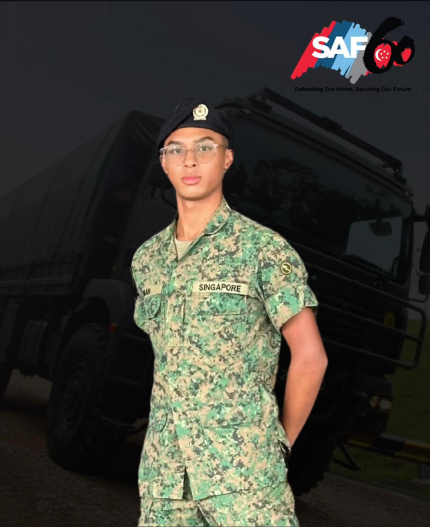
“Fasting during NS was both physically challenging and spiritually rewarding. Balancing military duties while abstaining from food and water from dawn to sunset really tested my discipline and mental strength.
The toughest part was going through physically demanding activities under the hot sun. There were moments when fatigue kicked in, especially during field training or long hours of standing. Hydration was something I couldn't rely on during the day, so I learned the importance of preparing well during sahur - eating properly, drinking enough water, and getting sufficient rest whenever possible.
However, the experience also taught me resilience. It reminded me that fasting is not just about hunger and thirst, but about patience, self-control, and sincerity. I found that keeping a positive mindset helped a lot. Support from fellow NSmen and commanders who understood the situation also made a big difference.
Breaking fast together after a long day of duties felt especially meaningful. It strengthened camaraderie and created a sense of unity among us. Despite the challenges, fasting during NS became a memorable experience that strengthened both my physical endurance and spiritual growth.”
- CPL (NS) Imaan Al Asqalany, Transport Hub West
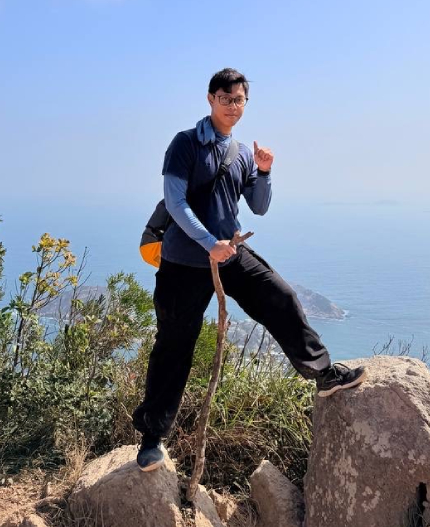
“Fasting during National Service was definitely more challenging than in civilian life. We had to wake up very early for sahur, and because lights-out was early too, there was barely any time to relax. I was worried about things like suit runs and IPPT falling within the fasting month — those of us observing Ramadan were concerned about keeping up. By the end of the month, I naturally became quieter and conserved my energy to reduce thirst. You learn to pace yourself and be patient, no matter how tough things get.
The biggest physical challenge for me was staying awake. I didn’t push myself as hard during training, and our commanders were understanding — they reduced the load or postponed activities if the sun was too harsh. We still had to complete our exercises, of course, but there was consideration. During strenuous activities, I could perform as usual. The real effect came after — when your stomach starts grumbling and the fatigue sets in.
What stood out most was the camaraderie. Breaking fast together during nights-out as a big group, regardless of race or religion, was special. Even the non-Muslim guys would step in to help. Among the Muslim servicemen, we understood each other’s struggles — even napping together during lunch became a funny shared moment.
Balancing faith and duty meant recognising that we still had responsibilities to fulfil. I’m grateful for reasonable commanders who were mindful about timing and intensity during exercises. Seeing other Muslims outside the military working even harder while fasting strengthened my own discipline. NS shaped my Ramadan differently because you experience it with so many people at once — you see different levels of endurance, some falling sick, others pushing through exhaustion. It taught me a deeper level of self-control.
My advice to future enlistees is simple: take it slow. Hydrate steadily at night, even if you’re not thirsty. Fasting teaches you not to rush or force yourself beyond your limits — only push when truly necessary.”
- CFC (NS) Akmal Rifqi, Medical Response Force
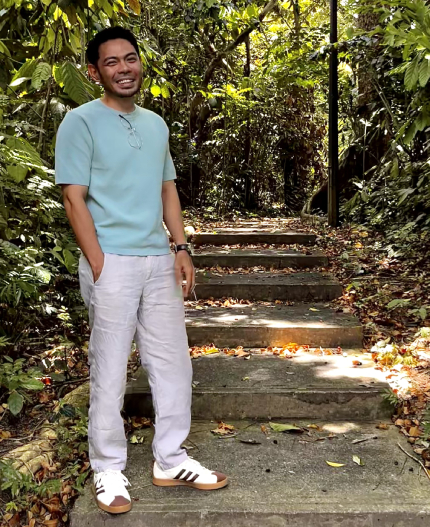
“Fasting during Ramadan while serving National Service taught me a great deal about resilience. Managing the demanding routines of NS while observing the fast was not easy, and there were days when the fatigue and thirst felt overwhelming, especially during strenuous activities under the heat. At the start, I was worried about whether I could keep up with the same training intensity as the rest of my platoon and whether my fasting might make me a liability. I also didn’t want it to be seen as an excuse to do less. I wanted to stay true to my faith while still pulling my weight and supporting my team.
The first week was the toughest as my body struggled to adjust to long training days without food or water. One of the biggest challenges was the lack of recovery, as NS activities often happen back-to-back and you cannot hydrate or refuel immediately after a strenuous session. Fatigue builds quickly, and by the third or fourth day of a training block your legs can feel twice as heavy. Over time, however, the experience became less about physical endurance and more about mental discipline. I learned to conserve my energy, focus on essential movements, and rely on determination to push through until iftar.
What made the experience meaningful was the support and camaraderie within the unit. My commanders remained firm about our training objectives but were empathetic, sometimes scheduling more intensive drills earlier in the morning or ensuring we had shaded areas to rest during breaks. Fasting together also strengthened the bond among Muslim servicemen, while our non-Muslim section mates were respectful and supportive during meal times. In civilian life, Ramadan is often centred around family and comfort, but in NS it becomes about brotherhood and shared struggles. That experience created a unique bond with my section mates, forged through mutual challenges and the understanding that we were all looking out for one another.”
- 3SG (NS) Nur Hendra, 787SIR
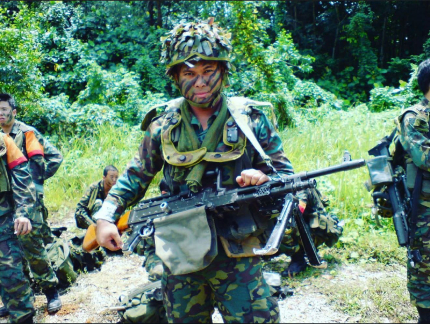
“Fasting during Ramadan while serving National Service was tough, especially at the start. I remember feeling worried about the training schedule and hoping it would not include demanding activities like SOC or anything too physically intense. My biggest concern was not being able to cope or dropping out during training. I knew that if I fainted, I would have broken my fast and would need to make up for that missed day later. But as the days went by, I gradually got used to it. Having my fellow platoon mates who were fasting alongside me made a big difference, and I was also touched by how supportive my non-Muslim friends were throughout the month.
The physical challenges were definitely real. Anything strenuous, like running, SOC, or simply standing under the hot sun in the middle of the day, felt much harder while fasting. My energy levels were lower, and there were times when I felt weak and lethargic. At the same time, the experience pushed me mentally and taught me a lot about resilience. There was a real sense of satisfaction at the end of each day, knowing I had managed to complete the fast despite the demands of training. My commanders and fellow servicemen understood what we were going through, and I felt that many of my non-Muslim camp mates were especially understanding and forgiving. Waking up for sahur with my Muslim buddies and fasting together also created a special sense of brotherhood, like we were going through the challenge side by side.
Looking back, fasting during NS taught me a lot about discipline, endurance and balancing faith with duty. I learned to manage my time, do what I could whenever I could, and keep reminding myself that it was a matter of mind over body. The experience also made Ramadan feel different from civilian life, because of the shared hardships and the stronger bonds built with my platoon mates. Even now, when we meet up, we still talk about what we went through together. What stands out most to me is breaking fast with the rest of my mates, which made the experience especially meaningful. My advice to future enlistees observing Ramadan is to eat and hydrate well, and to plan your meals carefully so you have enough energy to keep going. For me, the experience changed the way I view service, faith and personal endurance. It reminded me that if I could do it during my NS days, I can do it again anytime.”
- PTE (NS) Muhammad Sharul Bin Hussin, 2SIR
If you have any NS stories to share or would like to contribute to our monthly NSmen Share articles, please drop an email to our Editor Sean at tsean@safra.sg and we will get back to you.
Want more articles like this, and other lifestyle content right in your inbox? Download the new SAFRA mobile app and opt in for the eNSman Newsletter – you don’t need to be a SAFRA member to subscribe – and never miss another story!