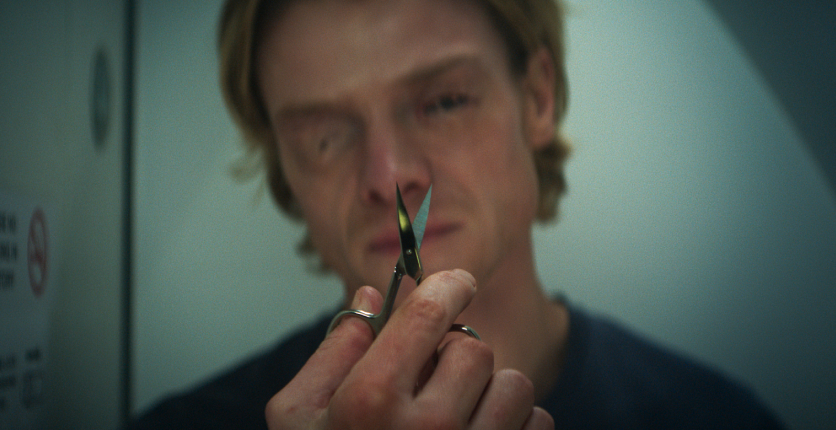
There are many ways to leave a cinema feeling satisfied, but watching a man’s face melt, contort and betray him in increasingly grotesque ways is certainly one of the more unconventional ones. And yet, here I am, fresh out of Clayface, grinning like someone who has just discovered a new favourite horror toy. Gloriously gory, deliciously disturbing and unafraid to get its hands dirty, DC’s latest gamble is a bloody good time for those of us who like our comic-book adaptations with a generous helping of body horror.
Directed by James Watkins, Clayface takes a welcome detour from the usual superhero blockbuster formula. There are no world-ending catastrophes to avert, no armies of CGI villains to punch into oblivion and, mercifully, no obligatory superhero swooping in to save the day. Instead, the film zeroes in on Matt Hagen (Tom Rhys Harries), a rising Hollywood actor whose promising career and enviable good looks are brutally taken away from him. A violent encounter with a crime boss leaves him horribly disfigured, and when the justice system fails him, Hagen turns to an experimental treatment that promises to restore his former face. Naturally, things go spectacularly wrong.
What follows is a descent into a nightmare where the line between man and monster becomes increasingly difficult to distinguish. The treatment initially appears miraculous, but its terrifying side effects soon take hold, transforming Hagen into the shape-shifting creature familiar to DC Comics fans. As his grip on reality deteriorates, so does his ability to control what he is becoming.
And what a wonderfully disgusting transformation it is.
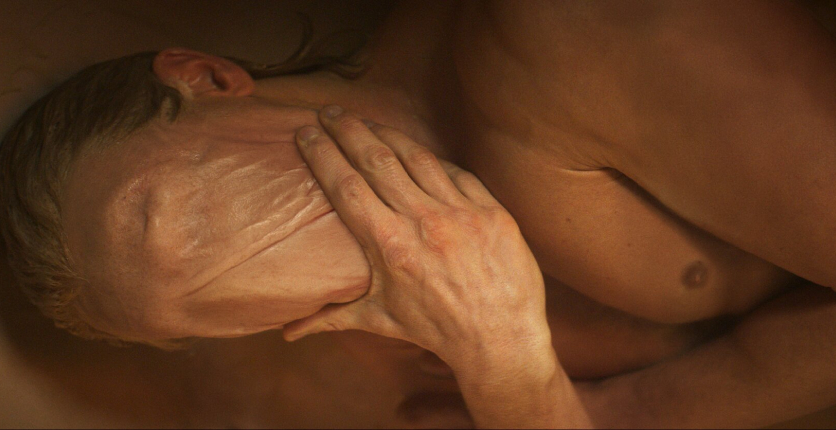
The film’s greatest strength lies in its willingness to embrace the ick. There is something deeply satisfying about seeing a comic-book villain’s origin story reimagined through the lens of body horror, where flesh becomes a source of terror rather than merely another surface for CGI effects.
Clayface understands that the human body can be far more frightening when it stops behaving the way it should. Faces distort, skin loses its familiar shape and Hagen’s physical deterioration becomes an unsettling spectacle in its own right. The film finds horror in the very thing most of us take for granted: our own appearance.
There are moments when you may instinctively recoil in your seat, followed by the irresistible urge to keep watching. It is the sort of grotesque spectacle that makes you simultaneously want to look away and see what fresh nightmare the filmmakers have cooked up next. If you enjoy horror that gets under your skin… quite literally, this one has plenty to offer.
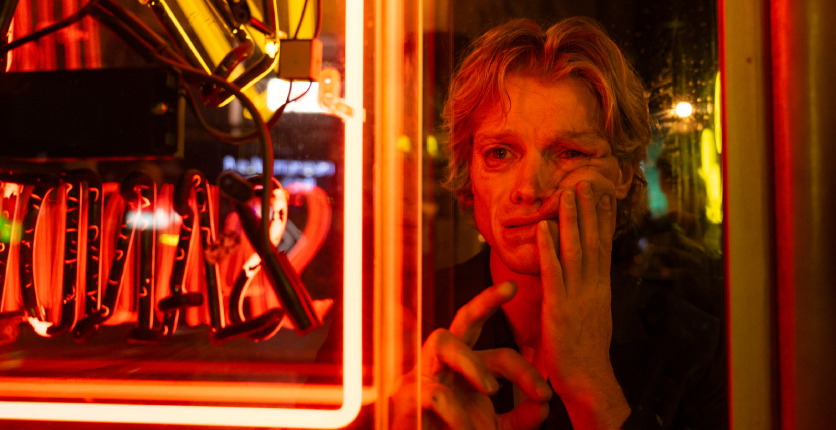
The gore also serves a purpose beyond simply testing the audience’s stomachs. Hagen’s changing body reflects his increasingly fractured sense of identity. For an actor whose career depends on his face, losing control of his appearance is particularly cruel. His face is not merely his calling card; it is his livelihood, his identity and the foundation upon which his ambitions have been built. When that is taken away, what remains?
It is a suitably nasty premise for a character whose defining ability is to change his appearance. The irony is delicious: a man who once depended on looking like someone else’s idea of perfection becomes a creature who can no longer reliably control his own face.

As gloriously revolting as the practical effects and transformations are, the film’s biggest draw is Harries himself. The Welsh actor is an absolute pleasure to watch on screen, delivering a performance that makes Hagen’s transformation far more compelling than a simple tale of a good-looking man turning into a murderous monster.
Harries captures the character’s initial confidence and star quality, but there is also a palpable desperation beneath the surface. As Hagen loses his looks, career and sense of self, the actor conveys the humiliation, anger and despair of someone watching his entire identity crumble before his eyes. Even when the character becomes increasingly monstrous, there remains enough humanity in his performance to make his downfall feel tragic rather than merely repulsive.
That is what makes Harries such a compelling screen presence. He gives us a character we can sympathise with, even when his actions become increasingly difficult to defend. There is a fine line between understanding a monster and excusing one, and Harries keeps us invested in Hagen's humanity even as it slips away.
Naomi Ackie also provides an important emotional counterpoint as Dr Caitlyn Corr, the scientist whose experimental treatment offers Hagen a second chance at life. Their connection introduces an intriguing romantic dimension to the horror, suggesting that being seen and accepted for who we are might be more powerful than any medical miracle. Unfortunately, the supporting characters and their relationships could have been developed further, leaving some of the film's more emotionally charged moments without quite the impact they deserve.

What I appreciate most about Clayface is that it doesn't feel compelled to behave like a conventional superhero movie. This is a horror film first and a comic-book adaptation second, and that distinction makes it a refreshing addition to DC's cinematic universe.
With a screenplay by Mike Flanagan (known for The Haunting of Hill House and Midnight Mass) and Hossein Amini, the film leans into a grimy, rain-soaked atmosphere that suits Hagen's increasingly miserable existence. Its story draws on familiar monster-movie territory, but the combination of psychological horror, revenge thriller and tragic character study gives it a different flavour from the usual superhero spectacle.
There is also an uncomfortable commentary on society's obsession with physical perfection. Hagen's initial tragedy is not simply that he is disfigured, but that his appearance has become so inseparable from his identity that he struggles to imagine a life without it. In an industry that prizes youth, beauty and marketability, his predicament feels particularly cruel.
The film could certainly have explored these ideas with greater depth. Its revenge-driven narrative occasionally takes precedence over the more interesting questions surrounding identity, self-worth and the price of perfection. Some developments feel predictable, and the screenplay doesn't always give its characters enough room to breathe.
Still, I would rather see DC take a few creative risks than churn out another formulaic superhero adventure. Clayface may not completely reshape the genre, but it demonstrates the appeal of allowing a lesser-known villain to headline a film that is willing to be genuinely unpleasant, emotionally messy and a little weird.
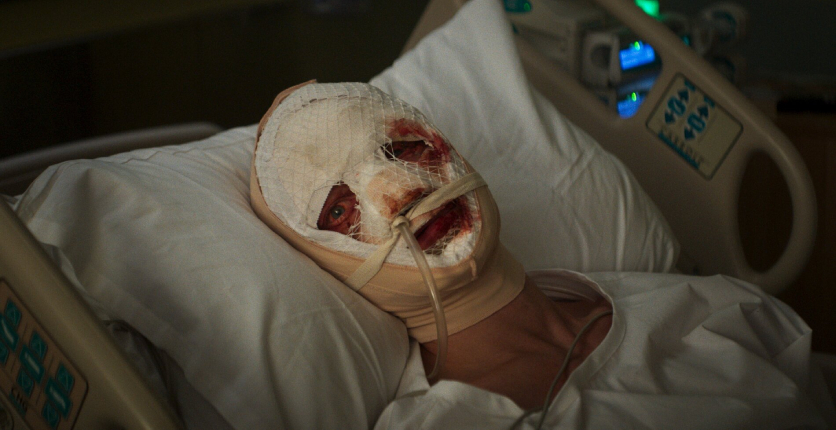
Is Clayface a perfect film? Not quite. Its familiar revenge plot and underdeveloped supporting characters prevent it from reaching the heights its premise promises. There are moments when the drama feels less adventurous than the grotesque transformations unfolding on screen.
But as a horror fan, I had a thoroughly good time. The body horror is gloriously gory, the central performance is a treat, and the film's willingness to get messy makes it stand out in a genre that can sometimes feel overly polished and predictable.
More importantly, Harries makes Matt Hagen a character worth watching, even as he becomes someone we should probably be running away from. His performance gives the carnage an emotional centre, ensuring that the film is about more than just watching a face fall apart.
And really, if you're going to give a DC villain his own movie, why not let him melt, mutate and make an absolute mess of everything?
I walked out thoroughly entertained, slightly queasy and very happy to have witnessed DC getting this gloriously grotesque. Sometimes, a little face time is all you need… even when that face is falling off.
Clayface opens at Shaw Theatres and other cinemas islandwide from 22 October 2026. Click here to book your tickets.
Movie stills courtesy of Warner Bros Singapore
READ MORE: New On Screen: October 2026 | SAFRA